
Desserts
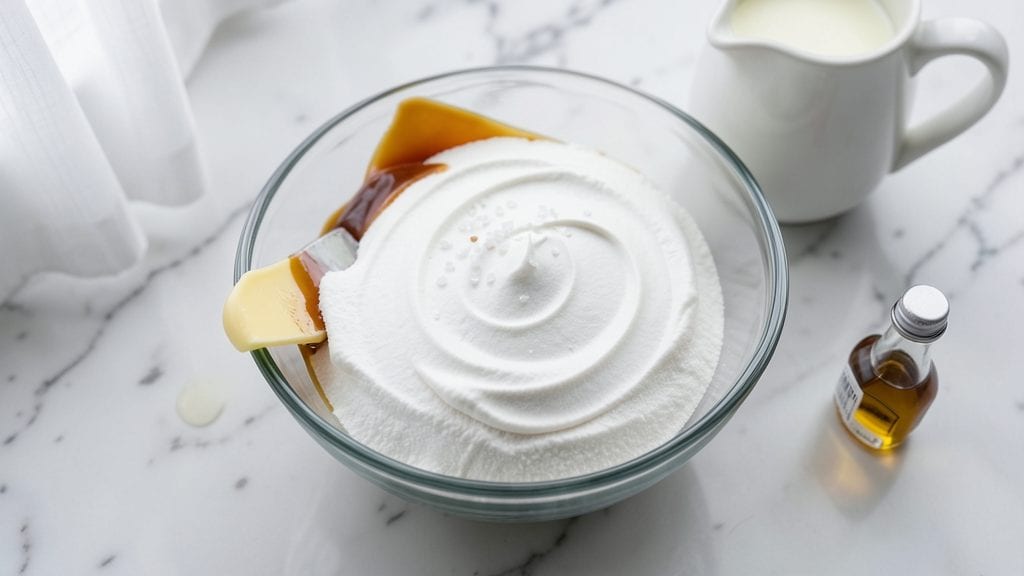
Creating Betty Crocker-style cookie icing that stays stiff enough to pipe but still spreads smoothly is an art—and this recipe delivers exactly that. The secret lies in the precise ratio of powdered sugar to butter, combined with a touch of milk for smoothness and vanilla for depth.
I’ve tested countless variations to perfect the texture, ensuring it sets up in minutes without turning grainy or overly soft.
This classic cookie icing recipe uses just five simple ingredients—powdered sugar, unsalted butter, whole milk, vanilla extract, and a pinch of salt—to create a frosting that’s creamy yet sturdy, perfect for decorating cookies, cupcakes, or even cake layers.
The butter provides structure, while the milk keeps it spreadable, and the vanilla adds that nostalgic Betty Crocker touch. No corn syrup or special stabilizers needed—just pure, reliable frosting.
What sets this recipe apart is its foolproof consistency: it stiffens slightly as it sits, making it ideal for piping rosettes or borders, yet remains soft enough to swirl or flood between layers.
The icing also holds its shape when baked, so you can decorate cookies right before baking without worrying about smudging. For a royal icing variation, simply replace the butter with meringue powder and add an extra egg white.
Whether you’re frosting sugar cookies for a holiday party or adding a finishing touch to a batch of homemade treats, this recipe ensures professional-quality results every time. Ready in under 10 minutes, it’s the perfect way to elevate your baking game without the fuss. Let’s get started!
Ingredients for betty crocker cookie icing
Five ingredients, zero fuss—this is your go-to Betty Crocker-style icing that pipes perfectly.
| Ingredient | Amount | Notes |
|---|---|---|
| Powdered Sugar 🍚 | 3 cups | Sifted for smooth texture |
| Unsalted Butter 🧈 | ½ cup | Cold but softened, cubed |
| Whole Milk 🥛 | 1 tbsp | Room temperature preferred |
| Pure Vanilla Extract 🍦 | 1 tsp | High-quality, not imitation |
| Fine Sea Salt 🧂 | ¼ tsp | Kosher or table salt |
The powdered sugar is non-negotiable—Domino or C&H brands are my go-tos because they’re sifted and consistent. Cold butter is key here; it should be soft enough to mix but not melted (think 65°F). Trader Joe’s sells pre-cubed butter in the freezer section, which is a lifesaver. The vanilla extract should be pure, not the imitation stuff—McCormick or Nielsen-Massey are solid choices. And that milk? Room temperature makes all the difference—cold milk can make the icing seize up.
No butter? Cream cheese at half the amount works in a pinch, though it’ll have a slightly tangy twist. Short on milk? Heavy cream or water both work, but heavy cream gives a richer finish. The vanilla can be swapped for vanilla bean paste if you’re feeling fancy—just use the same amount. Salt is optional but recommended; it balances the sweetness and helps the icing stiffen faster. For a royal icing vibe, swap the butter for meringue powder and add an extra egg white, but that’s a whole different beast.
This icing stays fresh for 5 days in the fridge, covered tightly. For piping, chill it for 30 minutes first—it’ll hold its shape like magic. If it gets too stiff, a 5-second microwave zap softens it right up. Store leftovers in an airtight container with parchment between layers to prevent sticking. It’s also freezer-friendly for up to 3 months—just thaw in the fridge before using.
Why You'll Love This Recipe
- Here’s what sold me: I can make a big batch, store it for weeks, and it never dries out or turns grainy. Plus, the ingredients? Pantry staples. No weird substitutions, no last-minute grocery runs. I’ve even split a batch with my neighbor—she’s hooked, and now I’m her icing supplier. (Yes, even on a Tuesday night.)
- Three-Ingredient Magic: I swear by this recipe—just butter, sugar, and milk. That’s it. No fussing with eggs or corn syrup, no waiting for fancy techniques. Honestly, I’ve made it while chatting on the phone, and it still comes out smooth and dreamy.
- Sweet-Salt Balance: The vanilla and sea salt? Chef’s kiss. That pinch of salt cuts through the sweetness just enough to make every bite feel like a little treat—not cloying, not boring, but ridiculously good. I’ll be real: my kids don’t even notice the salt, but I do. And that’s the magic.
- Decorating Made Easy: Birthday cakes, holiday cookies, or just slathering a sad afternoon snack—this icing is my go-to for anything. It pipes like a dream, spreads evenly, and even holds up if I (accidentally) leave it out too long. Between us, I’ve used it to turn plain sugar cookies into “fancy” ones in 10 minutes flat.
Instructions for Betty Crocker cookie icing recipe
This is the perfect recipe for a smooth, stiff cookie icing that pipes beautifully and sets up in minutes.
Sift the Powdered Sugar
Start by sifting all 3 cups of powdered sugar into a large mixing bowl. This step is absolutely crucial—sifting removes any clumps and ensures your icing will be silky smooth. I like to use a fine-mesh sieve for this, and I tap the bottom gently with my fingers to help the sugar flow through completely.
Once sifted, give the powdered sugar a quick stir with a whisk to break up any remaining tiny lumps. This creates a perfectly smooth base for your icing. If you skip sifting, you'll end up with a grainy texture that's impossible to pipe neatly, no matter how hard you try.
Cream the Butter and Salt
In a separate medium bowl, combine the 0.5 cup of cold but softened unsalted butter and 0.25 teaspoon of fine sea salt. Use a hand mixer or stand mixer fitted with the paddle attachment to beat these ingredients together on medium speed for about 1 minute. You're looking to create a light, fluffy mixture that's completely smooth.
The butter should be soft enough to beat easily but still hold its shape when pressed—this is what gives your icing that perfect consistency. If your butter is too warm, the icing will be too runny. If it's too cold, it won't mix properly. I usually let my butter sit at room temperature for about 15 minutes before starting.
Combine Wet Ingredients
Add the 1 tablespoon of whole milk and 1 teaspoon of pure vanilla extract to the butter mixture. Beat on medium speed for another 30 seconds until everything is fully incorporated. The mixture should look pale yellow and completely smooth with no streaks of butter remaining.
This is where the magic happens—the milk and vanilla create the perfect balance of moisture and flavor. The milk helps bind everything together while keeping the icing spreadable, and the vanilla adds that classic cookie flavor. I always use high-quality vanilla extract here—it makes a noticeable difference in the final taste.
Mix All Ingredients Together
Now, gradually add the sifted powdered sugar to the butter mixture while mixing on low speed. This slow addition prevents the powdered sugar from flying everywhere and ensures even distribution. Once all the sugar is incorporated, increase the speed to medium and beat for 2-3 minutes until the icing is completely smooth and glossy.
At this point, your icing should be thick enough to hold its shape when piped but still spreadable with a spatula. If it's too thick, add 1 teaspoon of milk at a time until you reach the perfect consistency. If it's too thin, add 1 tablespoon of powdered sugar and mix again. The goal is that perfect piping consistency—thick enough to hold peaks but still smooth enough to spread.
Test and Adjust Consistency
Scoop a small amount of icing onto a plate and use a piping bag fitted with a round tip to pipe a small rosette. If the icing holds its shape and doesn't collapse immediately, it's ready to use. If it spreads too much or collapses, let it sit at room temperature for 5-10 minutes—it will thicken as it cools.
This waiting period allows the starch in the powdered sugar to fully absorb the moisture, creating that perfect firm-but-spreadable texture. Once you've achieved the right consistency, your icing is ready to pipe onto your cookies. The best part? It sets up beautifully in just 10-15 minutes, giving you that professional bakery finish.
Pro Tips For Making Betty Crocker Cookie Icing
- MEASURE BUTTER COLD: Take the unsalted butter straight from the fridge—no softening needed. I used to let it sit out, and the icing would turn greasy and clump. Cold butter blends smoother and gives you that perfect, thick consistency without fighting you.
- SIFFT POWDERED SUGAR: Give that powdered sugar a good sift before mixing—especially if it’s been sitting in your pantry. Lumps make for a grainy icing, and nobody wants to frost cookies with sandpaper. Do it over a sheet pan to catch the stray bits.
- SALT THE MIX, NOT THE COOKIES: Toss the fine sea salt into the icing itself, not the cookies. The butter and milk already bring enough richness, and you’ll taste the salt way more in the frosting. A pinch (like ¼ teaspoon) is enough—trust me, you’ll notice if you overdo it.
- WHISK BY HAND: Skip the mixer for this one—use a sturdy whisk. You’ll get a smoother, shinier finish without overworking the butter into tiny globs. Plus, it’s less cleanup, and you can feel the texture as you go. (Yes, even if you’re impatient like me.)
Dietary considerations for betty crocker cookie icing
Gluten-Free Adaptation
For a gluten-free version, simply swap the powdered sugar for a gluten-free confectioners' sugar like Anthony's or Bob's Red Mill. These brands are finely milled and sifted, just like traditional powdered sugar, so your icing will maintain the same smooth texture.
The rest of the recipe stays identical—no need to adjust butter or milk ratios. Always check labels to ensure no cross-contamination with gluten-containing ingredients. 🌱
Dairy-Free Options
To make this icing dairy-free, replace the 0.5 cup unsalted butter with 0.5 cup vegan butter (like Miyoko's or Earth Balance). For the milk, use unsweetened almond milk or oat milk—both work well, but almond milk gives a slightly richer finish.
The vanilla and salt remain the same. The texture will be just as smooth and pipeable, though it may stiffen slightly faster due to the lower fat content in plant-based milks.
Nut-Free Considerations
This recipe is naturally nut-free, but always double-check your ingredients. The powdered sugar, butter, milk, vanilla, and salt are all typically nut-free, but some brands of vanilla extract or butter may process in facilities with nuts.
If you're highly sensitive, opt for certified nut-free brands like McCormick for vanilla or Land O'Lakes for butter. Store-bought powdered sugar is usually safe, but if you're using a homemade version, ensure no cross-contamination occurred during preparation.
Lower Sugar Version
For a lower-sugar adaptation, reduce the powdered sugar to 2.5 cups and add 0.25 cup granulated sugar (like Domino or C&H). This keeps the icing spreadable while cutting about 20% of the sugar.
The texture will be slightly less stiff when piped, so let it sit for 5 extra minutes before decorating.
If using a sugar substitute like erythritol, follow the package instructions for powdered sugar substitutions—these often require additional moisture, so you may need to add 1 extra teaspoon of milk.
Egg-Free (for Royal Icing)
While this isn't the classic Betty Crocker-style icing, if you're making a royal icing (which requires egg whites), you can adapt it to be egg-free by using meringue powder (like Powdered Egg Whites from Bob's Red Mill).
Replace the butter with 2 tablespoons meringue powder mixed with 2 tablespoons water, then add 1 extra egg white for structure. This version will be much stiffer and dries completely hard, making it ideal for intricate cookie decorations. 💫
Nutrition facts
Frequently asked questions
Why does my cookie icing turn grainy?
Grainy texture usually means your powdered sugar wasn't sifted properly or absorbed too much moisture. Always sift the sugar first, and if the icing gets too thick, add milk 1 teaspoon at a time while mixing. Chilling the icing for 10 minutes before using also helps prevent graininess by letting the starch stabilize.
Can I make this icing ahead of time?
Yes! This icing keeps well in the fridge for 5 days in an airtight container. For best results, let it sit at room temperature for 10-15 minutes before using—it'll regain its smooth, pipeable consistency. If it gets too stiff, a 5-second microwave zap softens it right up. Store with parchment between layers to prevent sticking.
What's the difference between this icing and royal icing?
This is a butter-based icing that stays soft and spreadable, perfect for flooding cookies or piping borders. Royal icing uses meringue (egg whites + powdered sugar) and dries completely hard, ideal for intricate lacework. For a royal-icing version, swap the butter for meringue powder + egg whites and reduce milk to 1 tsp.
How do I fix icing that's too runny?
If your icing is too thin, simply add 1 tablespoon of powdered sugar at a time while mixing until it reaches the right consistency. Let it sit for 5-10 minutes in the fridge—it'll thicken as it cools. Avoid overmixing, which can incorporate air and make it even thinner. For stubbornly runny icing, chill for 20 minutes before adjusting again.
Can I color this icing with food gel?
Gel food coloring is ideal because it won't alter the icing's consistency like liquid dyes. Start with 1/4 tsp gel and mix well, then add more gradually until you reach your desired shade. For pastel colors, use 1/8 tsp of gel. Mix thoroughly to avoid streaks, and let the icing sit for 5 minutes before piping—this helps the color distribute evenly.