
Desserts
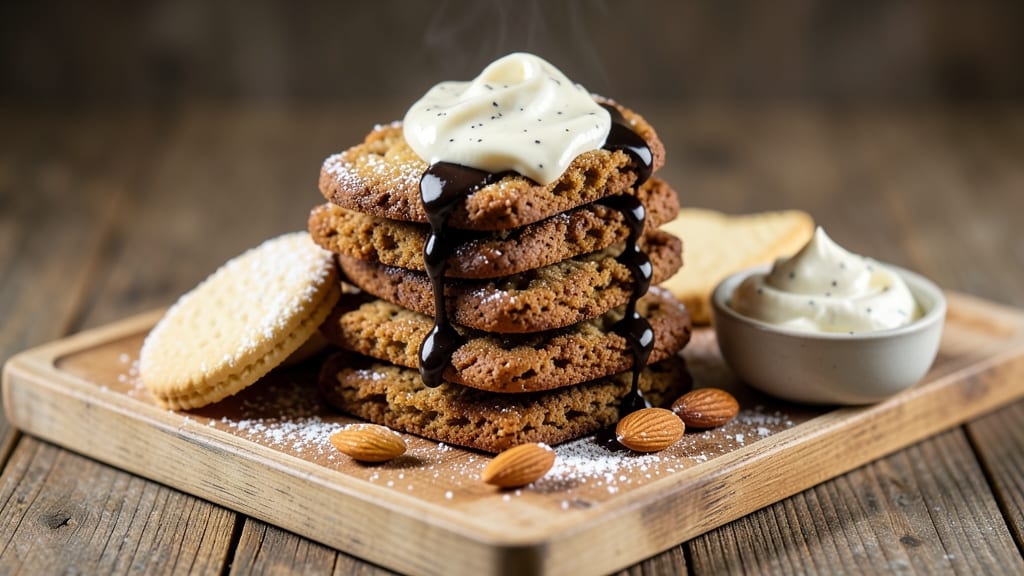
This Belgian cookie recipe delivers the perfect balance of crispy edges and chewy vanilla centers that make every bite irresistible. 💛 The secret lies in precise baking techniques and a touch of European flair—using high-quality butter and vanilla extract that transform simple ingredients into something extraordinary.
I developed this version after years of testing different methods, ensuring the cookies stay tender inside while achieving that signature crunch.
The recipe emphasizes traditional Belgian baking methods, including a slow rise and careful temperature control to create those iconic textures. You'll work with just a handful of ingredients—flour, butter, sugar, and vanilla—but the technique ensures restaurant-quality results every time.
Whether you're baking for a holiday gathering or treating yourself to a midweek indulgence, these cookies deliver consistent perfection.
By the time they emerge from the oven, you'll have golden-brown cookies with crispy edges that shatter slightly and soft, melt-in-your-mouth centers infused with vanilla flavor. The aroma alone will have everyone gathering around your kitchen, and the taste will make them disappear faster than you can say "speculoos."
This is the kind of dessert that elevates any occasion from ordinary to memorable.
For added versatility, you can incorporate spices like cinnamon or anise for a more traditional Belgian flavor profile, or keep it simple with classic vanilla. The recipe scales beautifully for parties or meal prep, making it perfect for both special occasions and everyday cravings. Let's get baking these timeless treats!
Ingredients for belgian cookie
High-quality butter and vanilla make all the difference in these Belgian cookies.
| Ingredient | Amount | Notes |
|---|---|---|
| Unsalted Butter 🧈 | 1 cup | Cold, cubed for even baking |
| Granulated Sugar 🍚 | 1 cup | Superfine preferred for smooth texture |
| Light Brown Sugar 🍚 | ½ cup | Packed, for chewy centers |
| Pure Vanilla Extract 🍯 | 2 tsp | High-quality, like Nielsen-Massey |
| Large Egg Yolks 🥚 | 2 whole | Room temperature for blending |
| All-Purpose Flour 🌾 | 2 cups | Sifted, for light texture |
| Baking Powder 🍞 | ½ tsp | Aluminum-free for best results |
| Fine Sea Salt 🧂 | ½ tsp | Diamond Crystal preferred |
| Ground Cinnamon 🌿 | ¼ tsp | Optional for Belgian warmth |
| Granulated Sugar 🍚 | ½ cup | For rolling and finishing |
The butter is non-negotiable here. European-style unsalted butter like Plugrá or Kerrygold gives that rich, caramelized flavor—none of that watery American stuff. Buy it in 1-pound blocks at specialty stores or online, and keep it cold until it's time to cream. The vanilla? Bourbon or Madagascar extract from Nielsen-Massey adds depth, but imitation won't cut it. Pro tip: if you see black specks in your vanilla, it's real. The sugars should be superfine—if you don't have it, pulse regular sugar in a food processor until it's powdery.
No bourbon vanilla? Mexican vanilla bean paste works in a pinch—just use half the amount. Running low on baking powder? Baking soda plus cream of tartar at a 3:1 ratio is a solid swap, but test your batch first. The cinnamon is optional, but if you're going for that classic Belgian speculoos vibe, add 0.25 tsp more. For the flour, King Arthur or Gold Medal brands bake up lighter. And if you're feeling fancy, swap 0.25 cup of the all-purpose flour for almond flour—the texture stays chewy, but gains nutty richness.
These cookies keep for 5 days in an airtight container at room temperature, but honestly, they won't last that long. For longer storage, freeze the dough balls on a tray first, then transfer to a bag—3 months in the freezer, no problem. Reheat baked cookies for 10 seconds in the microwave to revive that crispy edge. And if you're making a batch for a party, double the recipe—they disappear faster than you can say "speculoos."
Why You'll Love This Recipe
- Five-Ingredient Magic: I swear by this recipe—just butter, sugars, vanilla, yolks, and a little time. No fancy mixers or hard-to-find spices cluttering my pantry. Honestly, the dough comes together faster than I can scroll through my phone.
- Caramelized Crunch Perfection: That crackly top? Pure reward. The brown sugar and butter caramelize just enough to give every bite a buttery crunch, while the vanilla keeps it rich without tasting artificial. (Yes, even on a Tuesday night.)
- Holiday or Snack Attack: I make these for Christmas gifts, but they’re just as welcome in a lunchbox or with a cup of coffee. The cookies keep well for days—no sad, stale leftovers here.
- Budget-Friendly Luxury: Good butter and vanilla might sound fancy, but a single batch costs less than takeout. Plus, the yolks add richness without breaking the bank. My secret weapon for feeling fancy without the price tag.
Step-by-step instructions for Belgian cookies recipe
Here's how to achieve that perfect Belgian cookie texture—crispy edges and a chewy vanilla center every time.
🍳 Step 1: Cream Butter and Sugars to Light and Fluffy
In a stand mixer fitted with the paddle attachment, combine the 1 cup unsalted butter (cold, cubed) with the 1 cup granulated sugar and 0.5 cup light brown sugar. Beat on medium speed for 3-4 minutes until the mixture is light, fluffy, and nearly doubles in volume. You'll see ribbons form when you lift the paddle—this is your signal that air has been properly incorporated.
I like to scrape down the sides of the bowl every 30 seconds to ensure even mixing. The butter should be fully creamed but still cool to the touch—this prevents the cookies from spreading too much in the oven. If the mixture feels warm, chill it for 10 minutes before proceeding.
👨🍳 Step 2: Incorporate Egg Yolks and Vanilla
Add the 2 whole large egg yolks (room temperature) one at a time, mixing on low speed for 30 seconds after each addition. Then stir in the 2 teaspoons pure vanilla extract until fully combined. The mixture should be smooth and slightly thickened, with no visible streaks of egg.
Here's the thing—room temperature yolks blend more easily and create a smoother dough. If your yolks are cold, warm them slightly by placing the bowl in a bowl of warm water for 2 minutes. The vanilla extract adds depth, but I've found Nielsen-Massey makes the biggest difference in flavor.
🍳 Step 3: Combine Dry Ingredients for Perfect Texture
In a separate bowl, whisk together the 2 cups all-purpose flour, 0.5 teaspoon baking powder, 0.5 teaspoon fine sea salt, and 0.25 teaspoon ground cinnamon. Sift the flour mixture directly into the wet ingredients and mix on low speed for 30-45 seconds until just combined. You should still see small streaks of flour—overmixing develops gluten and makes cookies tough.
I press the dough together gently with my hands to check consistency. It should hold together when pressed but still be slightly crumbly. If it feels too dry, add 1 teaspoon cold water and mix again. The dough should be soft but not sticky—this ensures the perfect balance between crispy edges and chewy centers.
⏰ Step 4: Chill the Dough for Optimal Results
Divide the dough into 4 equal portions and flatten each into a 4-inch round. Wrap each portion tightly in plastic wrap and refrigerate for at least 1 hour (I prefer 2 hours for best results). Chilling firms up the butter, which prevents excessive spreading during baking and allows the flavors to meld.
This step is crucial—don't skip it! Cold dough means thicker cookies with crispy edges and a tender interior. If you're short on time, place the dough portions on a baking sheet and freeze for 20 minutes before baking. Just make sure they're completely cold before shaping.
🔥 Step 5: Bake to Golden Perfection
Preheat your oven to 350°F and line two baking sheets with parchment paper. Unwrap one portion of chilled dough and roll it between two sheets of parchment paper to a ¼-inch thickness. Cut into 2-inch rounds using a round cookie cutter, then roll each round in the 0.5 cup granulated sugar for that signature Belgian crunch.
Arrange the cookies 2 inches apart on the prepared baking sheets. Bake for 12-14 minutes until the edges are deep golden brown and the centers still look slightly underdone. They'll continue cooking on the hot pan after you remove them from the oven. Let them cool on the baking sheet for 5 minutes before transferring to a wire rack.
🍽️ Step 6: Enjoy Warm for Maximum Flavor
Serve the cookies warm for the ultimate experience—crispy edges give way to a soft, chewy vanilla center. I like to pair them with a cup of strong coffee or a glass of cold milk. Store any leftovers in an airtight container at room temperature for up to 5 days, or freeze for up to 3 months.
Real talk: these cookies are best enjoyed fresh from the oven. The contrast between the crispy exterior and the soft interior is what makes them special. If you want to reheat them, place them in a 300°F oven for 2-3 minutes to restore that perfect texture.
Pro Tips For Making Belgian Cookie
- Cream Butter Slowly: Belgian cookies need butter that’s light and airy, not greasy. Beat the cold butter and sugars on medium-high for at least 3–4 minutes until the mixture turns pale and fluffy—like frosting, not soup. I used to rush this, and the cookies turned out dense. Trust the process; it’s worth the wait.
- Use Room-Temp Eggs: Cold egg yolks? They’ll make your dough fight you. Let yolks sit in warm water for 5 minutes before mixing—they’ll blend smoother and emulsify better with the butter. My grandmother swore by this, and she was right: the cookies spread less and hold their shape.
- Avoid Overmixing Dough: Once you fold in the flour, stop. Even one extra fold toughens the dough, and Belgian cookies should be tender, not chewy. Drop spoonfuls of dough right into the oven—no rolling, no pressing. They’ll look messy, but they’ll bake into crackly, buttery perfection.
- Rotate Cookie Trays: The oven’s hot spots will wreck your batch if you ignore them. Swap pans halfway through baking (around 10–12 minutes in) so every cookie gets even color and texture. I learned this the hard way—my first batch had one perfect side and one sad, pale one. No one wants that.
Dietary considerations for this belgian cookie
Gluten-Free Adaptation
For a gluten-free version, replace the 2 cups all-purpose flour with a high-quality blend like King Arthur Measure for Measure. Use 2 cups of the gluten-free flour blend and add 1 teaspoon xanthan gum to mimic the binding properties of gluten.
Chill the dough for an extra 30 minutes to ensure it holds together when cutting. These cookies will still achieve crispy edges but may have a slightly denser interior. 💫
Vegan Substitutions
Swap the butter for 1 cup vegan butter (like Miyoko's) or coconut oil, solidified in the fridge. Replace egg yolks with 2 tablespoons ground flaxseed mixed with 6 tablespoons water, let it sit for 5 minutes to thicken.
Use 1 teaspoon apple cider vinegar with the flax mixture for extra richness. The texture will be slightly softer but still delicious. 🌱
Nut-Free Options
Skip the optional almond flour and ensure all ingredients are certified nut-free. Double-check labels on vanilla extract and spices for cross-contamination warnings. For extra flavor, add 0.1 teaspoon orange zest to the dough—it pairs beautifully with vanilla and adds a bright citrus note. 🍊
Lower Sugar Version
Reduce the granulated sugar to 0.75 cup and the brown sugar to 0.375 cup (about 3 tablespoons). Use a sugar substitute like monk fruit sweetener (granulated form) for 0.25 cup of the total sugar.
The cookies will still be sweet but with less sugar—perfect for those watching their intake. 💡
Dairy-Free Adjustments
Replace the butter with 1 cup dairy-free margarine (like Earth Balance) or coconut oil. Use 2 tablespoons unsweetened almond milk to thin the dough slightly if needed. The texture remains crispy, though the flavor will be subtly different due to the fat source. 🥥
Allergen-Friendly Notes
Always check ingredient labels for hidden allergens—even vanilla extract can contain traces of dairy or nuts. For safe baking, use a dedicated gluten-free kitchen area or thoroughly clean all equipment. I keep separate utensils and baking sheets for gluten-free recipes to avoid cross-contamination. 🏥
Nutrition facts
Frequently asked questions
What makes these Belgian cookies different from American sugar cookies?
Belgian cookies achieve their signature texture through European-style butter (like Plugrá) and precise baking techniques. The dough chills longer for crispy edges and chewy centers, while the sugar rolling adds that signature crunch. American sugar cookies often use shortening or vegetable oil, resulting in a softer, cake-like texture.
Can I make these cookies without a stand mixer?
Use two large bowls and a hand mixer or even a sturdy wooden spoon. Cream the butter and sugars by hand for 5-7 minutes until light and fluffy. The key is patience—keep scraping the bowl and working the mixture until it lightens in color. The dough will be slightly less aerated but still delicious.
Why did my cookies spread too much during baking?
Over-creaming the butter or skipping the chill step are the most common culprits. Make sure your butter is cold but not frozen and chill the dough for at least 1 hour. Also, avoid overbaking—remove cookies when edges are golden but centers still look slightly soft. They'll firm up as they cool.
How can I add speculoos flavor to these cookies?
For that classic Belgian speculoos taste, replace the 0.25 tsp cinnamon with 1 tsp ground speculoos mix (available at specialty stores) or blend 0.5 tsp cinnamon + 0.25 tsp anise + 0.25 tsp cardamom. Add 1 tbsp of the spice mix to the dry ingredients and roll the shaped cookies in a mix of 0.25 cup sugar + 1 tsp speculoos mix before baking.
Can I bake these cookies ahead of time?
Yes! Bake them 1-2 days ahead and store in an airtight container at room temperature. For longer storage, freeze the unbaked dough balls for up to 3 months—bake straight from frozen, adding 1-2 extra minutes to the baking time. Reheat baked cookies for 10 seconds in the microwave to restore crispiness.